
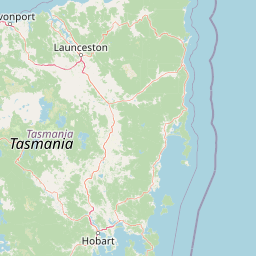
Frost Dates for Chigwell, TAS
Based on data from Mount Wellington weather station, 6 miles away
Elevation: 64 m
Frost Dates
Last Spring Frost (50%) A 50% chance that the last spring frost has already passed by this date. Most gardeners use this as their primary planting guide.
December 23
First Fall Frost (50%) A 50% chance that the first fall frost has occurred by this date. Plan to harvest or protect tender plants before this date.
January 19
This location has a very short growing season. Frost can occur at almost any time of year.
30% Probability
Only a 30% chance of frost remaining by this date. Use these dates for a safer planting window, especially for tender plants sensitive to cold.
Last Spring Frost
December 27
First Fall Frost
January 9
Hard Freeze (−2°C)
Last Spring Hard Freeze
November 30
First Fall Hard Freeze
March 27






Growing Season
27 Days
December 23 to January 19
USDA Hardiness Zone
Hardiness zones indicate which perennial plants can survive winter in your area. For annual vegetables, frost dates and growing season length matter more than hardiness zone.Zone 9a
Avg. annual minimum: −7 to −4°C
Köppen Climate
The Köppen climate classification system categorizes climates based on temperature and precipitation patterns.
Cfb
Oceanic (Marine West Coast)
Mild year-round with cool summers and wet winters. Excellent for cool-season crops like brassicas, peas, and root vegetables. Extended harvest seasons but summer heat-loving crops may struggle.
Temperature
-5°
0°
5°
10°
15°
Avg High
Avg Temp
Avg Low
Light Frost (0°C)
Hard Frost (−2°C)
Temperature table
| Month | Avg High | Avg Temp | Avg Low |
|---|---|---|---|
| January | 14° | 10° | 5° |
| February | 14° | 9° | 5° |
| March | 12° | 8° | 4° |
| April | 8° | 5° | 2° |
| May | 6° | 3° | 1° |
| June | 4° | 2° | 0° |
| July | 3° | 1° | -1° |
| August | 3° | 1° | -2° |
| September | 5° | 2° | -1° |
| October | 8° | 4° | 0° |
| November | 10° | 6° | 2° |
| December | 12° | 7° | 3° |
Precipitation
0 mm
50 mm
100 mm
Precipitation table
| Month | Precipitation |
|---|---|
| January | 109 |
| February | 81 |
| March | 91 |
| April | 89 |
| May | 79 |
| June | 97 |
| July | 66 |
| August | 69 |
| September | 84 |
| October | 86 |
| November | 99 |
| December | 94 |
Sunrise / Sunset
Daylight
Australian Eastern Time (AET)
Longest: 15h 10m · Shortest: 8h 50m
Sunrise and sunset table
| Month | Sunrise | Sunset | Daylight |
|---|---|---|---|
| January | 5:56 AM | 8:45 PM | 14h 50m |
| February | 6:35 AM | 8:16 PM | 13h 41m |
| March | 7:10 AM | 7:31 PM | 12h 21m |
| April | 6:47 AM | 5:36 PM | 10h 49m |
| May | 7:21 AM | 4:54 PM | 9h 33m |
| June | 7:46 AM | 4:37 PM | 8h 51m |
| July | 7:43 AM | 4:51 PM | 9h 08m |
| August | 7:08 AM | 5:23 PM | 10h 15m |
| September | 6:14 AM | 5:57 PM | 11h 44m |
| October | 6:20 AM | 7:32 PM | 13h 12m |
| November | 5:41 AM | 8:11 PM | 14h 31m |
| December | 5:32 AM | 8:41 PM | 15h 09m |
Nearby Stations
Plan Your Garden with Planter
Now that you know your frost dates, use Planter to plan your veggie garden! Planter is an easy drag-and-drop garden planner with personalized planting schedules.
Try Planter For FreeAvailable everywhere: iOS, Android, web, and more!
